Life is filled with ups and downs that are sometimes overwhelming. Focusing my energy on things that I have some control over keeps me sane and brings me mental clarity.
Creative Emphasis Art by Linda Dawkins
When I seek opportunities that end up eluding me, I avoid feeling disappointed. I remind myself that doing my best is good enough. I choose to focus on the positive experiences I gain along the way.
I am able to control my reaction to difficult experiences. When I respond in a positive fashion, I usually get the best results, regardless of the situation.
Creative Emphasis Art by Linda Dawkins
I have control over my own actions, so I spend energy on being the best I can be. I have a lot of confidence in myself. I am proud to show my strengths to others despite how they feel about me.
Another person’s impression of me is their concern and has little impact on my impression of myself.
I am guided by principles that enrich my life and take pride in the person I am today. It feels good to like myself through and through.
Practicing “Once Upon A Lowly Stable” Children’s Songbook Hymn, (it’s the only song I’ve learned to play to the end on a guitar, while waiting for paint to dry.
Everyday, I avoid putting a burden upon my heart with things outside of my control. I choose to live a life free of anxiety and worry. Life is positive and rich when I channel my attention to the things that I can make an impact on.
The final result in this project is that when it comes to a discrepancy in which water is the foe, apparently the water wins. Creative Emphasis Art by Linda Dawkins
Self-Reflection Questions:
How would your life change if you focused on those things you have some control over?
How do you respond when you are bombarded with challenges?
What are some techniques you use to maintain a calm spirit?
“Unfinished”… Creative Emphasis Art by Lind Dawkins
Which Task First? A Practical Process to Get More Done
This is one of the biggest questions facing anyone that is facing a long to-do list: which task should you complete first?
For most of us, a typical working day – or even a typical weekend of chores – is going to involve a number of different tasks, each of which will challenge us in unique ways.
We might have a few big jobs to complete which may include things like filling out spreadsheets, clearing an inbox, tidying a room, or reading a book.
On top of this, we might also have a bunch of smaller tasks, which can include such things as:
Answering emails
Making calls
Fixing errors from yesterday
Taking out the trash
As well as varying in size though, these tasks will likely also vary in terms of importance and urgency.
Faced with such a huge list of tasks, it can sometimes be hard to know where to begin. And this indecision can lead to options paralysis – basically preventing us from doing anything even moderately useful.
So, how do you prioritize and approach such a list?
Urgent versus Important
One thing to consider, and this is an idea that is popularized by Tim Ferriss, is which of your tasks are important versus which are urgent.
Important tasks need to get done, yes. But urgent tasks need to be done sooner.
So, an urgent task in this case might mean responding to an email regarding a decision that needs to be made in the next hour. An important task might be reaching out to a potentially lucrative new client.
Tasks that are urgent and important are the ones that should be completed first.
But after that, you should give priority to your urgent tasks.
And of course, once you’ve completed the important tasks next, you can then go on to look at your frivolous tasks.
Close Open Loops
Another tip that Tim Ferriss advocates is to “close open loops.”
What does this mean?
Essentially, it means ticking off those small unnecessary tasks at the start of the day that are going to nag at you.
Some jobs are quick and easy to complete, like responding to emails. However, they can nevertheless cause us anxiety and make us stressed. This, then, actually ends up stealing our attention away from the more important tasks that require more attention and focus.
Closing open loops helps you to stay fixated on the most important tasks – and that is crucial.
Zombie Mode
Finally, consider that at two points during the day, you are likely to be in what is referred to as “zombie mode.” Zombie mode occurs first thing in the morning (before that coffee kicks in) and at the end of the day.
With lowered mental faculties at this point, it becomes more appropriate for you to complete tasks that require less focus. Zombie mode tasks include things like responding to simple emails, entering non-critical data, and stuffing envelopes.
A zombie-mode task is anything that you could complete while holding a conversation.
Schedule these for the times when you aren’t firing on all cylinders.
Leaving Things Unfinished
Finally, once you get to the end of the day, start tomorrow’s most urgent task but don’t finish it.
Why? Because it creates a new open loop. But this time the open loop is a positive thing. That’s because we have a natural inclination and urge to want to finish tasks that we’ve already started. So, if you begin the next project, it will be that much easier to pick it up again tomorrow. In fact, it will be hard not to!
Use this process each day at work and each time you have a long to-do list. You’ll enjoy less
After a long, challenging day, sometimes we just want to relax in the evening. Often, our brains are so switched on that we struggle to unwind!
But there are small steps you can take to ensure you have a relaxing evening. Take some time to look after yourself, get into a rhythm and routine, and look forward to evenings that are all about you.
How can you ensure you relax in the evening?
Do Something You Enjoy
You could run a luxurious bubble bath and ease your aches and pains, relaxing and switching off from the world.
Perhaps consider listening to your favorite music and allowing yourself to be in the present moment. Enjoy everything about the music and notice its composition. Just being in the moment will relax you, clear your mind, and help you appreciate the small things in life.
If television is your thing, put your favorite show on, curl up, and lose yourself in the television shows you enjoy. You can feel relaxed, entertained, and guilt-free all at the same time.
Run A Bath
Take some time out to indulge in a hot bath in the evening. It can prepare your mind for winding down and encourage restful sleep.
Use some of your favorite bathing products and maybe read a book. Use the time to unwind and prepare yourself for a restful evening.
You could listen to some music, sing along with your favorite band on the radio, and make the experience your own. Remember, it’s your domain, so enjoy it.
Cook A Meal
Take some time to brush up on your cooking and cook your favorite dish. If you feel up to it, attempt to cook a new recipe or just enjoy your favorite comfort food.
Cooking a meal can help focus your mind on one task at a time and help banish stressful thoughts, preparing you for a restful evening.
If you discover new recipes, write them down, or maybe even film yourself creating them to look back at later. You’ll feel a tremendous sense of achievement.
Organize Your Thoughts
Consider investing in a journal and taking some time in the evening to write down your thoughts.
Use the journal to write down worries, concerns, plans for the future, and goals you want to achieve the next day.This is an effective way of emptying your mind and freeing yourself of emotional baggage.
We carry a lot around inside our heads. Sometimes, thoughts can get overwhelming. By writing them down you are freeing your mind and taking ownership of any conflicting or muddling ideas in your head. This will make them seem more manageable.
Avoid Screens
Our bodies have natural rhythms. The sun wakes us up and darkness encourages us to sleep. Many phones emit blue light, and the screens on our phones and tablets can keep our brains active. This can disrupt sleep and make it hard to unwind.
Create a rule. Avoid looking at any phones, screens, tablets, or televisions for at least an hour before bed to help your brain switch off and prepare for restful slumber. If you can, dim the lights too.
Relaxing in the evening is so important. It allows you to unwind, do the things you enjoy, and prepare for a good night’s sleep. Remember to find a rhythm and routine in what you do, so you can unwind slowly and enjoyably.
Is Your Stuff Stressing You Out?
In our modern world, your levels of success are too often determined by three main factors: the job you do, the amount you earn, and the amount of stuff that you can afford to buy.
We live in a society that promotes and encourages consumption and materialism, and there is no denying that coming home with an armful of shopping bags gives you a certain buzz.
Over time, however, that buzz starts to fade more quickly. You will return from a shopping trip and find that you are instantly deflated, down, and looking to recreate that thrill that you got while handing over the credit card.
At the same time, the sheer amount of stuff in your home can become a problem. Where do you store it? When do you use it? And how do you remember what you have purchased?
Put simply: having too much stuff can play a large role in the amount of stress that we experience and, in some cases, be bad for our health. Learning how to live with less can play a large role in alleviating stress, elevating happiness, and improving our lives.
How To Live With Less
Set Out Your End Goal
Before you get started, you establish your end goal and final vision. What will your home look like by the time you are done? How will it feel? Where will everything live? Have a clear motivation and end goal for your journey to keep you on track.
This can be a written list or a visual representation, such as a mood board.
Eliminate The Obvious
The easiest place to start is with anything that is no longer relevant, and this includes things that are broken, clothes that are stained or no longer fit, and anything you simply do not use anymore.
This not only allows you to quickly remove or reduce items, but it will also help get you into the decluttering mindset.
Start Small
Reducing the number of things you own can be overwhelming, so it is a good idea to start small. Pick a cupboard, closet or drawer, and set a timer for fifteen minutes.
Dedicate yourself to going through this space for the allocated time, and then walk away when the timer goes off. Take a break and return for another fifteen minutes.
Breaking the task down into smaller sections helps to make things more manageable, and is likely to help you see things more rationally.
Wait Before Buying New Items
Once you have decluttered, the real challenge is to stop your items from building up again. To help you achieve this, allow a delay between seeing something you want and actually buying it – 24 hours is usually a good period of time. This allows you to see the difference between a need and a want and reduces your chance of impulse buying.
This can also be a great way to save money, as you will only be purchasing items that you know you really want. As an added bonus, it helps to free up valuable space in your home, and reduce your visual clutter.
Final Thoughts
While we all like to have nice items and cultivate attractive environments, it is important to ensure that you are in charge of your stuff, and not the other way around.
Resetting your mindset about consumption is an important step, and can help to transform the way you respond to the “stuff” we so often see as being essential to our happiness.
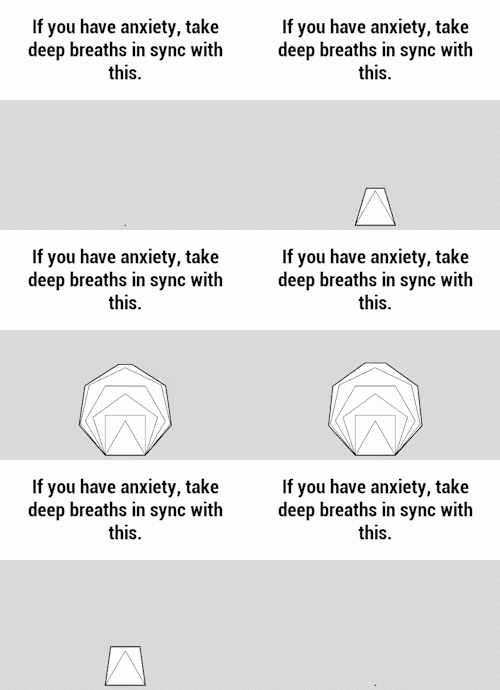
How To Use Breathing Techniques For Stress
Have you ever noticed that when you feel stressed or overwhelmed, youtend to take deep breaths? When you’re calm and relaxed, have younoticed how your breathing is often calmer and deeper?
Breath has a huge impact on how we feel, and it can make a bigdifference when we’re feeling overwhelmed or anxious. Unfortunately, alot of us don’t know how to use our breathing patterns correctly toimprove relaxation**.**
If you’re looking to minimize stress with breathing, you’re in the rightplace. Let’s get started.
Deep Breathing for Stress
Deep breathing is one of the best ways to reduce stress in the body.When you take a deep breath and exhale it slowly, you send a message toyour brain that it’s time to calm down.
Your brain then sends this message to your body, reducing the feelingsof anxiety and panic that may show in the form of sweating, heartpalpitations, and shaking.
Breathing deeply helps to reduce your blood pressure and minimizetension. It’s also a good way to remove your focus from what’sbothering you. The key is figuring out how to manage your breathingcorrectly.
How To Do Breathing Exercises
There are various breathing exercises you can do to relax. One of themost common is slow belly breathing. If you’ve never practiced breathingexercises for stress before, start with this simple activity.
Start by sitting in a relaxing and comfortable place. You can alsolay down if this makes you more relaxed. Put one hand under your ribs onyour stomach and the other somewhere on your chest. Take a deep breathand feel your belly pushing outwards. Your chest should stay still.
Pursing your lips, breathe out slowly, as though you were trying towhistle. Feel the hand on your belly going in as you breathe out, anduse that pressure to help push all the air out. Do this between 3-10times. Take your time with each breath.
While you’re doing breathing exercises, pay attention to how you feel,both on a physical and emotional level. This will help you to becomemore mindful, which is a valuable tool when you’re working on stressreduction.
You can also add visualization to your breathing exercises. Forinstance, you can imagine you’re exhaling a red cloud of all thenegative feelings and thoughts in your body, and imagine you’rebreathing in positive things in a golden, glistening cloud.
How to Improve Your Breathing
After you’ve mastered belly breathing, you might try some more advancedbreathing exercises. Alternatively, you may want to stick with thestrategy you feel works best for you.
There’s no right way to go about things. Try to dedicate a little timeto your breathing exercises every day, as this should help you toimprove your breathing.
If you’re struggling with your breathing exercises, or not seeing theresults you’d like straight away, consider some of the following tips:
Use meditation guides: There are smartphone apps which can guideyou through a deep breathing session, step by step. Sometimes, havingsomeone talk you through the process is easier than doing it yourself.
Add music: Relaxing music can help give you the meditativeexperience you’re looking for. Try to avoid anything with lyrics, asthey might cause you to focus on the words rather than the flow of themusic itself.
Try aromatherapy: The right scents can make a huge difference inhow you relax. Use lavender or valerian oils in a diffuser in yourhome. This is a great way to relax your mind and body when you need tocalm down and work on your breathing.
Make sure you’re in a place where you’re not going to be exposed to anydisruptions. You don’t want to be distracted from your focused statewhen you’re trying to master your breathing.
Use Your Breathing Techniques
Once you master breathing techniques, you’ll find it’s much easier toovercome stress and anxiety. All you need to do is get some practice andyou’ll be on your way in no time.
Have you ever noticed that when you feel stressed or overwhelmed, you tend to take deep breaths? When you’re calm and relaxed, have you noticed how your breathing is often calmer and deeper?
Breath has a huge impact on how we feel, and it can make a big difference when we’re feeling overwhelmed or anxious. Unfortunately, a lot of us don’t know how to use our breathing patterns correctly to improve relaxation**.**
If you’re looking to minimize stress with breathing, you’re in the right place. Let’s get started.
Deep Breathing for Stress
Deep breathing is one of the best ways to reduce stress in the body. When you take a deep breath and exhale it slowly, you send a message to your brain that it’s time to calm down.
Your brain then sends this message to your body, reducing the feelings of anxiety and panic that may show in the form of sweating, heart palpitations, and shaking.
Breathing deeply helps to reduce your blood pressure and minimize tension. It’s also a good way to remove your focus from what’s bothering you. The key is figuring out how to manage your breathing correctly.
How To Do Breathing Exercises
There are various breathing exercises you can do to relax. One of the most common is slow belly breathing. If you’ve never practiced breathing exercises for stress before, start with this simple activity.
Start by sitting in a relaxing and comfortable place. You can also lay down if this makes you more relaxed. Put one hand under your ribs on your stomach and the other somewhere on your chest. Take a deep breath and feel your belly pushing outwards. Your chest should stay still.
Pursing your lips, breathe out slowly, as though you were trying to whistle. Feel the hand on your belly going in as you breathe out, and use that pressure to help push all the air out. Do this between 3-10 times. Take your time with each breath.
While you’re doing breathing exercises, pay attention to how you feel, both on a physical and emotional level. This will help you to become more mindful, which is a valuable tool when you’re working on stress reduction.
You can also add visualization to your breathing exercises. For instance, you can imagine you’re exhaling a red cloud of all the negative feelings and thoughts in your body, and imagine you’re breathing in positive things in a golden, glistening cloud.
How to Improve Your Breathing
After you’ve mastered belly breathing, you might try some more advanced breathing exercises. Alternatively, you may want to stick with the strategy you feel works best for you.
There’s no right way to go about things. Try to dedicate a little time to your breathing exercises every day, as this should help you to improve your breathing.
If you’re struggling with your breathing exercises, or not seeing the results you’d like straight away, consider some of the following tips:
Use meditation guides: There are smartphone apps which can guide you through a deep breathing session, step by step. Sometimes, having someone talk you through the process is easier than doing it yourself.
Add music: Relaxing music can help give you the meditative experience you’re looking for. Try to avoid anything with lyrics, as they might cause you to focus on the words rather than the flow of the music itself.
Try aromatherapy: The right scents can make a huge difference in how you relax. Use lavender or valerian oils in a diffuser in your home. This is a great way to relax your mind and body when you need to calm down and work on your breathing.
Make sure you’re in a place where you’re not going to be exposed to any disruptions. You don’t want to be distracted from your focused state when you’re trying to master your breathing.
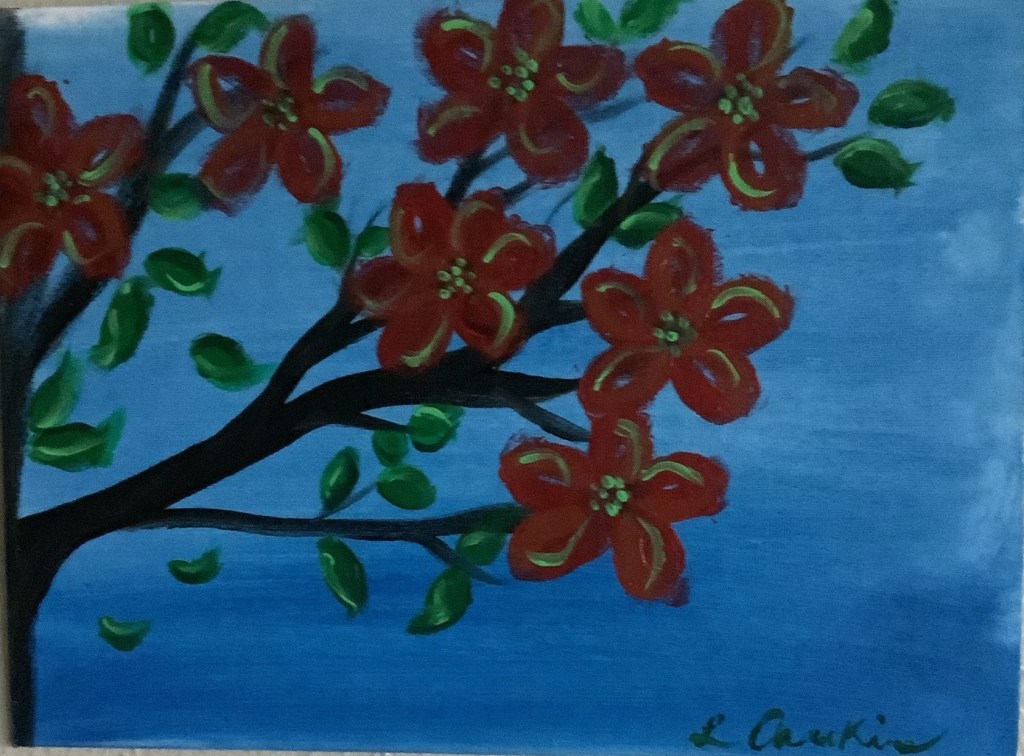
“Breath of Fresh Air” Creative Emphasis Art by Linda Dawkins
Use Your Breathing Techniques
Once you master breathing techniques, you’ll find it’s much easier to overcome stress and anxiety. All you need to do is get some practice and you’ll be on your way in no time.
As a kid, Oscar the owl spent much of his time hanging out with older owls observing how they did things. He gained a lot of wisdom that way. One day, his vigilance came in handy when he needed to take quick action to save his family…
“You’re so boring, Oscar!” his best friend Lester commented one day. “Why don’t you come and fly around with us?”
But Oscar never took his friends’ criticisms to heart. He knew that pretty soon, he’d be old enough to have to rely on the wisdom he’d been gaining from the old folks.
His favorite lesson was how to keep watch at night for predators.
While everyone was relaxing at home one night, he went to meet the senior owls who were on nightwatch. “I want to learn as much from you guys as I can,” said Oscar. “Pretty soon, I’ll be the one in charge of protecting my family.”
He had a good night of observation training with the senior owls and was on his way home when he noticed that something wasn’t right.
He put his lessons in vigilance to use and identified a cat lurking in the shadows of his family’s home.
Without a second thought, Oscar released a loud alarm call that got the attention of the senior owls on duty. “Sounds like the alarm is coming from near Oscar’s home,” announced one of the owls. And with that, they rushed to the location and scared the cat away.
“That was quick thinking, Oscar,” remarked one of the senior owls. “You bravely put your training to good use and protected your family from danger.”
Oscar felt proud that his lessons in vigilance paid off.
Moral of the story: When wisdom guides your actions, it is easy to sense when danger is near.
The Wise Young Owl Self-Reflection
There was a lot that Oscar liked about being a kid. But something told him that there was value in gaining wisdom from senior owls in the community. He believed that sooner or later, he would have to call on the lessons learned.
As he sensed, a potentially dangerous situation arose involving his family, and he used what he learned to keep them out of harm’s way.
Like Oscar, it isn’t always easy to tell when quick thinking is required. Sure it’s nice to have carefree days, but preparation for the unexpected is also important.
Wisdom comes from various sources that you encounter each day. From parents’ advice to experiences you have on the train, there are always lessons from which to develop your own wisdom.
One wise piece of advice is to remain vigilant at all times, even when you feel comfortable in your environment.
When things are going smoothly, it’s easy to let down your guard and openly trust what’s around you. But sometimes danger lurks where you least expect it. Keeping in touch with your instincts is the way to identify when something isn’t right.
Just like in the fable, the lessons you learn come in handy when you need them!
Just as you dedicate some of your time to enjoying your life, reserve some time for lessons in wisdom also. They’re there to guide you through those times when your instinct is needed to overcome a worrying challenge.
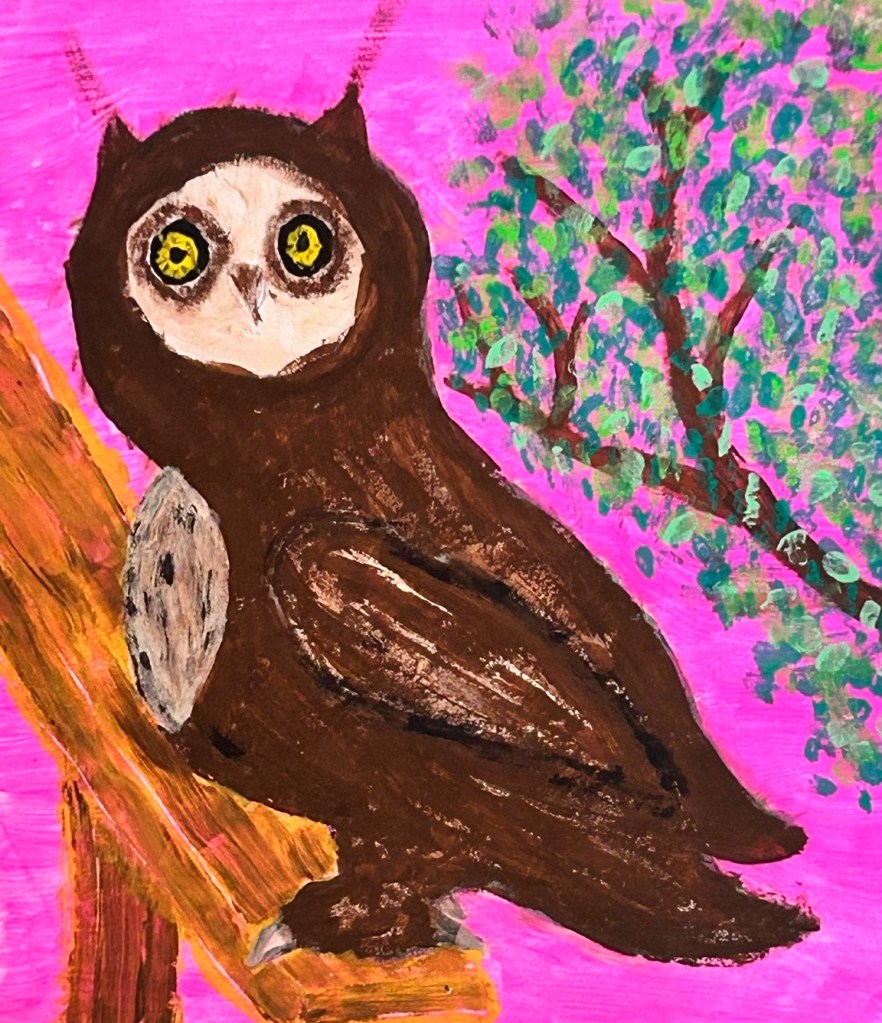
“The Young Wise Owl” Creative Emphasis Art by Linda Dawkins
Self-Reflection Questions:
What are my primary sources of wisdom?
What are some of the lessons I learn from spending time with older people?
Life has probably thrown you a curveball or two along the way. You’ve likely had times when you felt unsettled by past events or things to come. That amount of discomfort can lead to inner turmoil.
It’s completely natural to be affected by what’s going on around you.
However, it’s possible to separate how you feel about something from your inner calmness and peace. The minute you start letting emotions take constant hold of your soul, life suddenly becomes chaotic.
When emotions constantly dominate a person’s inner landscape, life can certainly become a little more chaotic because emotions often fluctuate and that can be intense. Most likely leading to impulsive actions, clouded judgment, and heightened stress levels.
However, individuals can cultivate the ability to separate their emotional responses from their inner calmness and peace through practices such as mindfulness, emotional regulation techniques, and self-awareness.
By acknowledging and understanding their emotions without being controlled by them, individuals can maintain a sense of equilibrium and make more reasoned decisions, even in the face of challenging circumstances. This separation allows for greater resilience and adaptability in navigating life’s ups and downs.
The key is to learn what it means to find true inner peace.
You can experience the joy of inner peace by following these simple guidelines:
Accept your limitations. As much as you sometimes feel the urge to give everything you have to pacify a situation, there may very well be some things that are beyond your ability to resolve.
Learn to accept what you can and cannot change. It’s okay to not know all the answers!
Keep your conscience clear. Nobody promised that life would be a bed of roses. But as long as you act according to what your conscience dictates, you can hold your head high and be proud of your actions!
The heaviness that you sometimes carry around with you is really unnecessary, especially when you know you haven’t purposely wronged anyone.
Exhibit kindness. Try this and take note of the outcome. Before every interaction with another person, remind yourself to be kind. At the end of the day, you’ll be surprised at how much more peaceful you’ll feel!
The basic courtesies like “Please” and “Thank you” really do go a long way! Spend more time using those terms and see how at ease it makes you feel.
Appreciate your blessings. Unfortunately in life, some desired achievements may elude you. At times like these, take a moment to look at what you’ve actually attained and received. The extent of those blessings might surprise you!
The saying, “The grass is greener on the other side” is usually true, but everything isn’t always as it seems. Instead of bemoaning what you haven’t achieved, consider what you already have. Doing this helps you feel more content with your life.
Creative Emphasis Art by Linda Dawkins entitled “Is The Grass Really Green?”
In a nutshell, true inner peace comes from being sincerely happy with who you are and what you have. Remember that there are always people who yearn for what you have. That should be enough to tell you that you have a lot! Contentment is the key to true inner peace.
No matter how confident we may feel, there are moments when we start to doubt our abilities. They can be fleeting moments, but they happen all the same, and they can both damage our mental health and our self-esteem.
Sometimes, we just need to take a moment to address these feelings of self-doubt and try to deal with them before they make us feel bad.
Let’s take a look at a few simple ways you can kick self-doubt out of your mind and get on being your usual positive and productive self!
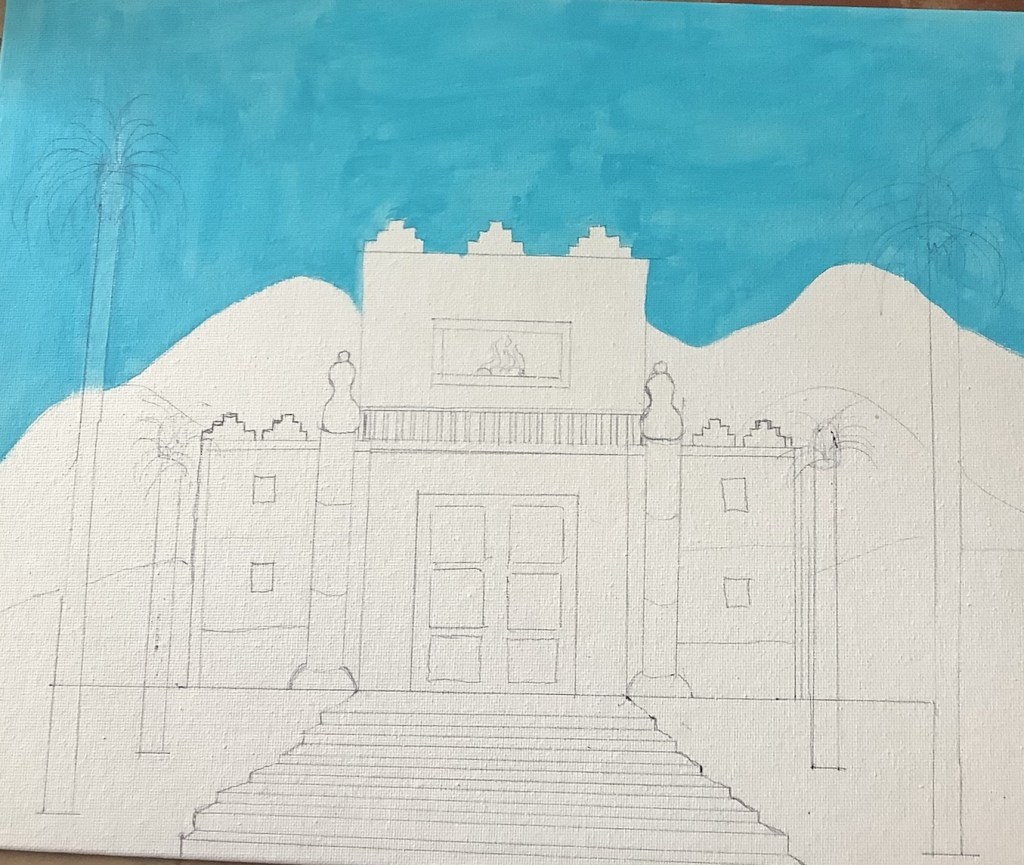
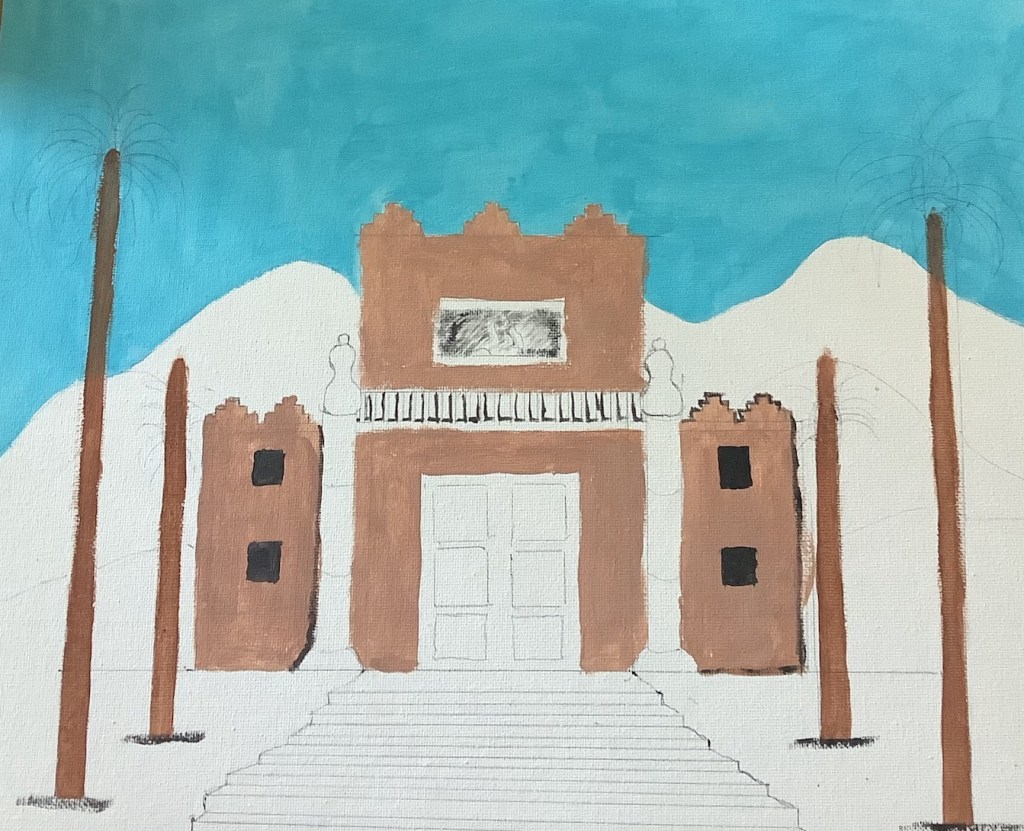
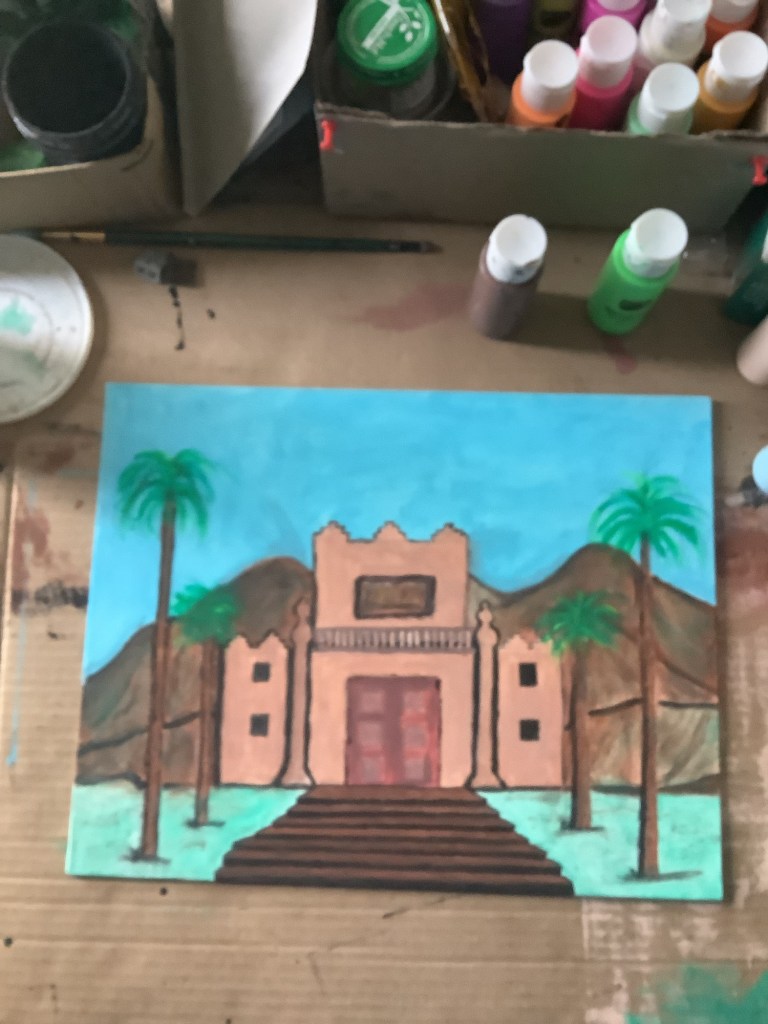
Although I completed my first commission, I felt it necessary to have one of that particular design for myself, to hang on my wall. So I sketched another design on an 11×14 canvas. The design is similar to the king sized project that I finished earlier this week. Except that there are two adjustments I made in the design.I added two extra palm trees and tried to get a furnace in there. I was doubtful that I would be able to create it as close to the original as possible. Nevertheless, I tried.
5 Ways To Overcome Self-Doubt
Here’s where I ‘actually’ started seeing what I sketched out.
Remind yourself of your goals. Next time you feel a little bit low and lack confidence, take a look at one of your projects or a goal that you have set.
Consider the short-term impact of your goal, the mid-term impact, and then the final result.
By breaking down your goals, you can take a moment to look at what you have achieved and what you are continuing to achieve.
If you see real, tangible progress, you will be less likely to doubt yourself and more likely to push toward the next opportunity.
Make a list of your achievements. Lists are healthy because they allow our brains to organize and condense our thoughts, rather than getting muddled and spiraling around in our heads.
Sit down and grab a warm beverage if you’d like. Write down everything you are proud of. Be specific, or be generic, it’s entirely up to you.
Your achievements can be significant ones or small wins that allow you to take control and smile.
Even if one of them is getting out of bed, it’s an achievement, all the same, so make sure you write it down.
This can remind you of your self-worth and just what you are capable of!
Do something you love. If you are having moments of self-doubt, take yourself shopping, or to the theater, or an art gallery, and revisit a passion of yours.
By allowing yourself to explore your interests, you can remove self-doubt. You’ll appreciate that you are knowledgeable about something.
By recognizing that you have interests, you’ll generate some enthusiasm, revitalize some passion, and realize that you are an interesting and valuable person to be around.
Ask yourself why you are feeling self-doubt. Give yourself a good talking to. Sit down and consider what it is that you’re feeling doubt about.
Which part of your personality or which part of your life is causing you to feel this self-doubt?
By writing it down, you can then offer yourself solutions. Suddenly, problems can become fixable goals to work toward.
Surround yourself with supportive people. If you’re feeling a lot of self-doubt, surround yourself with friends and family to remind you how much you are loved, and how people value you.
Remember, your friends and family take time out of their schedule when they visit you, so remind yourself that they must appreciate you and recognize your worth.
Just recognizing the friends and family you have will make you appreciate your support network and, hopefully, make you feel wanted.
Self-doubt is very common. But it doesn’t have to overcome you. All you have to do is remind yourself that you deserve happiness, success, and inner peace!
“If you don’t at first succeed, try, try again… because the third time really is the charm,”
I didn’t know whether or not to add color to the bottom… This is where I quit… If I find that it needs any adjustments, I’ll make them. But for now, this is going on my wall.
If you enjoyed this read and have any suggestions or requests, please feel free to leave a comment below, I’ll do my best to respond to your messages and give you recognition for your suggestions!
Linda Dawkins Artist, Author
Thank you very much!
Creative Emphasis Art, which is based in Las Vegas, Nevada.