My interests include but are not limited to promoting artists and their music, creating new business opportunities, network marketing, affiliate marketing. Presently, I began a new hobby in painting. I also spent a number of years
Developing my writing skills 'Freelance' writing as a Music Editor/Audioist for Exposed Vocals, the largest online forum that focuses on giving unsigned recording artists a chance to have their music heard on FM radio stations.
I accept donations for payment.
I also have blogs on Medium on various topics, http://medium.com/iamlindadz89 , http://www.iamlindadz89.com, creativeemphasis.com, thatsloveforyou.com
Creativeemphasis.art.blog, thatsloveforyou.eordpress.com where I also share various topics of interest.
By the way, Medium is an excellent application where business leaders and Freelance Writers, share interesting topics and short original stories. well, that's how I see it...
I think feedback is crucial here, as it gives authors incentive and encouragement into their network growth. Furthermore, the opportunity to have your original content shared for free.
These are my passions.
I enjoy the skills that I possess and utilize them creatively. My long term goals are to employ future writers and receive journalism interns.
As a Writer, I hope to be able to help others.
I am trainable
I love learning new things.
I am personable.
I am easy to get along with and have an Awesome Personality and off beat sense of humor.
I also make up lyrics to beats that I purchase online.
And the list goes on and on.
The most recent major historical event I remember is the COVID 19 pandemic. Before that it was several protests that turned riotous after several “police brutality” cases that resulted in the perpetrators being found “not guilty” or given lesser charges as punishment for the crimes that were committed.
Before that, there was a major earthquake that caused a few hundred deaths. A couple of major floods that caused some more deaths… I’m beginning to think that all of the historical events that I remember resulted in a multitude of deaths. There was 9/11, when the World Trade Center collapsed resulting in thousands of death.
Before this, I remember the Berlin wall coming down. Everything else in between these are a blur, or there were so many major events occurring that I barely noticed or was unaware, or was too busy to pay attention. I truly don’t understand the purpose of reminiscing on major events while we are presently making history with current major events happening daily, these will be historical events tomorrow.
In conclusion, everything we’re doing today, will be history tomorrow. Whether we remember them and learn from any mistakes of the past is the question. It has been said throughout the ages that “Those who do not learn from the past, are doomed to repeat it.” …Or something like that so I have heard.
The Mystery of Undeciphered Languages: Lost Scripts of Ancient Civilizations
For centuries, linguists, archaeologists, and historians have worked to unravel the secrets of ancient scripts. While many breakthroughs have been made, some languages and scripts remain undeciphered, locked in mystery and waiting for their Rosetta Stone moment. These scripts provide glimpses into the societies that created them, but without a key to unlock their meanings, they remain enigmas.
In this article, we’ll explore some of history’s most fascinating undeciphered languages, the challenges they pose, the historical figures dedicated to their study, and why cracking these ancient codes matters.
What Are Undeciphered Scripts?
Undeciphered scripts are writing systems that scholars have yet to interpret. These scripts are often associated with lost languages—tongues no longer spoken, leaving no modern equivalent for reference.
Some reasons why these scripts remain undeciphered include:
• The extinction of the spoken language they represent.
• A lack of bilingual texts (like the Rosetta Stone, which was key to deciphering Egyptian hieroglyphs).
• Insufficient examples of the script, making patterns difficult to identify.
• The destruction of cultural context, often due to colonization, war, or societal collapse.
Despite these challenges, the effort to decipher these scripts continues, driven by the promise of new insights into ancient cultures.
Famous Undeciphered Scripts
Here are some of the most intriguing scripts that continue to baffle researchers:
1. Linear A (Minoan Civilization)
• Region: Crete and the Aegean Islands (2000–1400 BCE).
• Description: Used by the Minoan civilization, Linear A appears on clay tablets and pottery. While related to the later Linear B script (deciphered as Mycenaean Greek), Linear A likely represents a non-Greek language.
• Significance: Understanding Linear A could shed light on Minoan society, its governance, and its religious practices.
• Notable Figure: Sir Arthur Evans, the archaeologist who discovered Linear A and Linear B.
2. Harappan Script (Indus Valley Civilization)
• Region: Modern-day India and Pakistan (3300–1300 BCE).
• Description: Found on seals and pottery, this script consists of brief inscriptions, usually 5–6 symbols long. The brevity of these texts poses a significant challenge.
• Significance: Deciphering the Harappan script could reveal information about one of the world’s earliest urban civilizations, including its trade networks and governance.
3. Rongorongo (Rapa Nui, Easter Island)
• Region: Easter Island (13th–19th centuries).
• Description: A series of glyphs carved on wooden tablets, likely related to Rapa Nui’s religious or genealogical traditions. Unfortunately, much of the Rapa Nui culture was lost during European colonization.
• Notable Figure: German ethnographer Thomas Barthel cataloged and studied Rongorongo glyphs extensively in the 20th century.
4. Phaistos Disk (Minoan Civilization)
• Region: Crete (2nd millennium BCE).
• Description: This circular clay disk features symbols stamped in a spiral pattern. Scholars debate whether it represents a language or merely decorative art.
• Notable Figure: Luigi Pernier, the Italian archaeologist who discovered the disk in 1908.
5. Proto-Elamite (Ancient Iran)
• Region: Modern-day Iran (3100–2900 BCE).
• Description: The earliest known writing system in Iran, Proto-Elamite appears on clay tablets and likely served administrative purposes. Despite overlaps with later Elamite scripts, it remains undeciphered.
6. Olmec Writing (Mesoamerica)
• Region: Mexico (1500–400 BCE).
• Description: Believed to be the earliest writing system in Mesoamerica, it appears on stone carvings. Deciphering it could clarify its connection to later scripts like those of the Maya.
Historical Figures in Decipherment
Deciphering ancient scripts often takes decades, even centuries. Here are a few notable figures who paved the way for the study of undeciphered languages:
• Michael Ventris (1922–1956): A British architect who deciphered Linear B, showing it to be an early form of Greek. His work inspires ongoing attempts to decode Linear A.
• George Smith (1840–1876): An Assyriologist who translated portions of the Epic of Gilgamesh, demonstrating the value of persistent study in deciphering ancient texts.
• David W. McAlpine: A linguist who contributed to the study of Proto-Elamite, focusing on numerical systems within the script.
Modern Tools and Challenges
In recent years, technological advances have revitalized efforts to crack ancient codes:
• Artificial Intelligence (AI): Machine learning algorithms analyze patterns in symbols, generating hypotheses about grammar and structure.
• Digital Imaging: High-resolution scans reveal faint marks or damage that might hold the key to decipherment.
• Global Collaboration: Scholars worldwide share images, notes, and findings, fostering cross-disciplinary insights.
Yet challenges persist. Many scripts survive only in fragmented form, while others lack a modern linguistic or cultural connection. Political instability and preservation issues also hinder progress.
Why Decipherment Matters
The decipherment of ancient scripts isn’t just an academic exercise. These texts can illuminate:
• Trade networks that connected ancient civilizations.
• Religious practices and rituals.
• Everyday life, from governance to agriculture.
For example, deciphering Linear B revealed the Mycenaean Greeks’ complex administrative system, while decoding Maya glyphs unearthed centuries of historical records. Each success deepens our understanding of humanity’s shared past.
The Road Ahead
The mystery of undeciphered scripts continues to captivate researchers and the public alike. Each new discovery brings us closer to unraveling these ancient puzzles, but they also remind us of how much we’ve yet to learn. Whether through advanced technology or the determination of a modern-day Ventris, the day we unlock these mysteries will mark a milestone in human history.
For now, the secrets of Linear A, the Harappan script, and others remain hidden—but their stories continue to inspire.
What do you think? Will AI, new discoveries, or sheer perseverance solve these puzzles? Share your thoughts below, and let’s discuss the mysteries of our ancient past!
Are you one of those people who has a hard time keeping your house clean? Every time you turn around, clothes are lying on the floor, books are all over your desk, and dust is collecting everywhere.
Cleaning your house can seem impossible, but it’s not as hard as you think.
All you need is a little organization and motivation to get started. With these tips, you can make cleanliness a habit and keep your room tidy all the time.
Here are some practical tips to help you build a solid cleanliness habit:
**Start by designating one day of the week as your cleaning day.**
One of the best ways to keep your home clean is by establishing a regular cleaning schedule.
The good news is that you don’t have to spend hours cleaning every day.
– Instead, designate one day of the week as your cleaning day and focus on deep-cleaning critical areas of your home.
– For example, you might focus on cleaning the kitchen and bathroom on Monday.
You could devote Tuesday to dusting and vacuuming.
– On Wednesday, you might wash all the linens in your home. Thursday, you can dedicate yourself to mopping floors and scrubbing surfaces.
– And you can reserve Friday for decluttering and organizing.
**By designating specific tasks for each day of the week, you’ll keep your home clean without feeling overwhelmed.**
**Create a specific cleaning routine for your chosen day.**
Having a particular routine can help you stay organized and get the job done more efficiently when cleaning.
Depending on your schedule, choose a specific day of the week to dedicate to cleaning.
– For example, start by vacuuming all the carpets and rugs in your home. Then, you can move on to dust all the surfaces and furniture.
– After that, you can focus on cleaning the bathrooms and kitchen. Finally, you can tidy up any areas that may be cluttered. By following this specific routine, your home will be clean and comfortable for your family.
– Ensure to clean all areas of your room, not just the obvious places.
With cleaning your room, it’s easy to focus on the prominent areas. However, other areas need attention as well.
– For example, cobwebs often accumulate in corners and along baseboards. Dust bunnies can gather beneath the furniture. And we can find fingerprints on light switches and doorknobs.
– So when you’re cleaning your house, don’t forget about these lesser-known areas. A little attention will go a long way in keeping your room tidy.
**Keep your cleaning supplies organized and within reach.**
A cluttered home can be a breeding ground for dust, dirt, and other allergens. So if you’re considering spring cleaning (or want to declutter your space), it’s essential to have a plan for organizing your cleaning supplies.
Use these tips to help you stay organized:
– **First, consider what type of cleaning supplies you use most often**.
Make sure these are easily accessible and within reach. You may also want to create a designated space for cleaners, used less frequently.
– **Second, consider how you can store your cleaning supplies.**
Many items, such as sponges and scrub brushes, can be stored in a caddy bucket. Others, such as all-purpose cleaners and window cleaners, can be stored in labeled spray bottles.
– **Last, think about safety when organizing your cleaning supplies.**
Store all chemicals out of reach of children and pets. Keep any rags or sponges for chemicals separate from those that haven’t.
– By taking some time to organize your cleaning supplies, you can spring cleaning (or any deep cleaning) on a breeze.
**Take care of any spills or messes as soon as they happen.**
Anyone who has ever dealt with a stain knows that it is much easier to clean up a spill when it is fresh. The same is true for messes, from crumbs on the floor to fingerprints on a glass door.
– It is simpler to clean up a mess when it first happens, and it is usually less time-consuming. Waiting even a few hours can make a big difference, as spills can set and become much harder to remove.
✨In addition, taking care of messes straight away can help prevent them from becoming more significant problems.
It is much less likely to cause lasting damage than one left to spread when dealing with a small spill right away.
– It is always best to take care of any spills or messes as soon as they happen.
**Create a system for organizing your belongings.**
If you’re like most people, you probably have a lot of stuff. And if you’re like most people, your property is perhaps in disarray.
– Cluttered closets, crammed cabinets, and overflowing drawers can make it difficult to find what you need and even harder to keep your home clean.
– But there is hope! By creating a system for organizing your belongings, you can achieve the tidy home of your dreams.
– One of the first steps in creating an organizing system is to take an inventory of your belongings. Once you know what you have, you can categorize items and decide where they should go.
– Once you have a plan, it’s time to purge. Get rid of anything that you don’t use or need; this will help make room for the essential things you need.
– Finally, it’s time to put everything in its designated place. Label shelves and drawers to always know where things are when you need them.
A little effort up front can save you time and frustration.
So why not get started today?
You’ll be glad you did!
If you want to make cleaning a habit, start by designating one day of the week as your selected cleaning day.
**Assigning a specific day will help create a straightforward routine for yourself and ensure that you clean all areas of your room, not just the prominent places.**
Keep your cleaning supplies organized and within reach so that you can take care of any spills or messes straight away.
Also, you can create a system for organizing your items- a practical approach will make it easier for you to keep track of everything and stay tidy!
Do you have any more ideas to add to these tips?
What do you do to make cleanliness a habit in your home?
Please feel free send a message or if you have any questions please send them to questions or leave a comment below!
Imagine you have a super smart robot that can help you with almost anything—like doing your homework, creating stories, or even answering tricky questions.
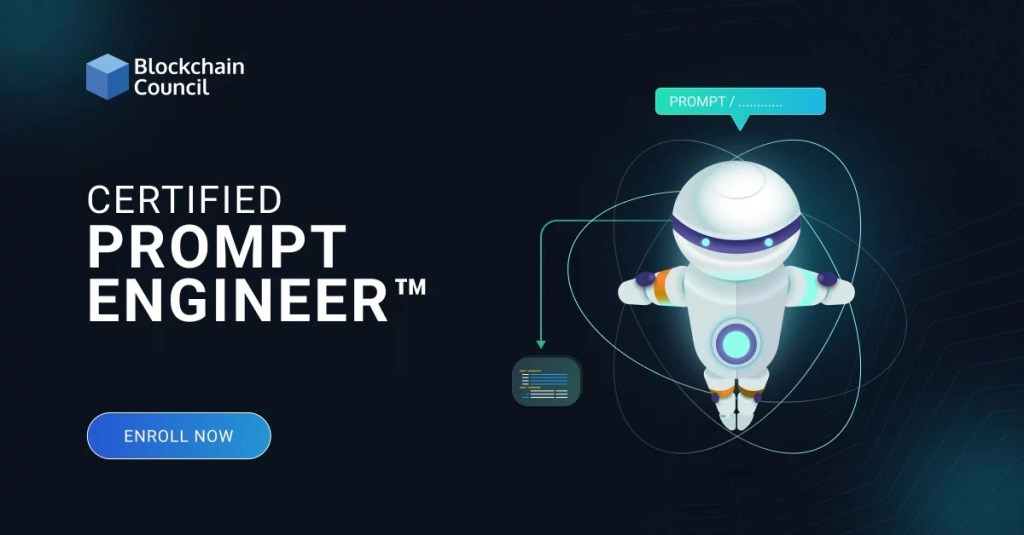
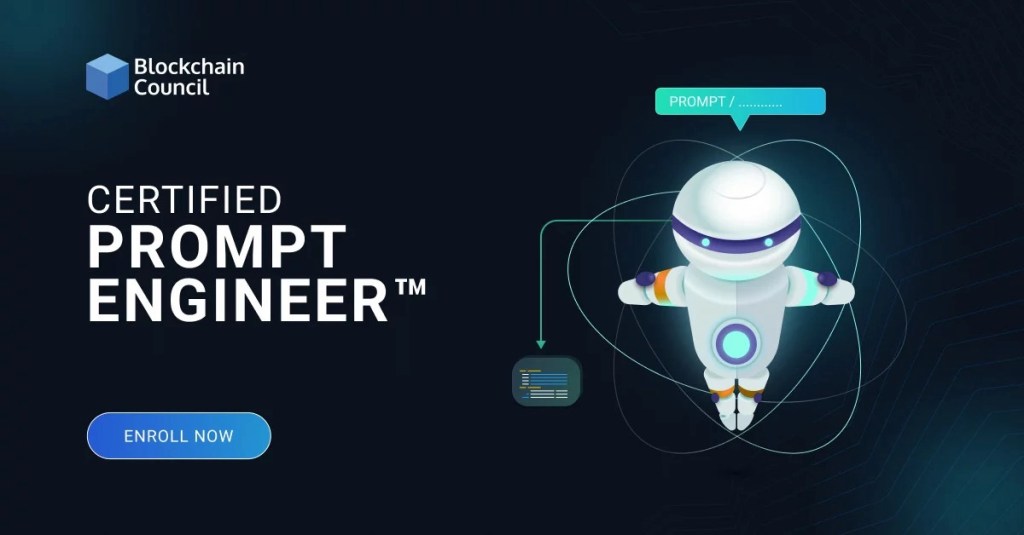
But, to get the robot to do exactly what you want, you need to learn how to ask it the right questions. That’s what the Certified Prompt Engineer certification helps you do!
This certification is like a fun class that teaches you how to talk to smart robots in a way they understand best. It’s kind of like learning a new language, but instead of talking to people, you’re talking to super smart machines.
The cool part? You get to practice by actually giving commands to these robots and seeing how they respond!
The course starts with easy lessons that explain what a “prompt” is—think of it as a way of giving directions to the robot. Then, it shows you how to make your directions super clear so the robot can help you even better. By the end, you’ll be able to make the robot do really cool things just by typing the right words.
Why is this important? Well, as we grow up, robots are going to be part of our lives more and more. Knowing how to communicate with them could help us do better in school, solve problems faster, and maybe even invent new things!
So, if you like the idea of being able to tell a super smart robot what to do—and having it listen—this certification is a great way to start. It’s fun, easy to understand, and could be super helpful as you get older.
Join the Blockchain Council for Free pick a course, pay the nominal fee and the course is yours! Take your time or go as fast as you want, you’ll be glad you got a head start on what’s new in tech for 2025 and beyond!
I’m someone who’s always on the lookout for reliable ways to advance in the tech world, I recently came across a course that caught my attention.
Stacy, a single parent and a dedicated professional, decided to enroll in the Certified LLM Developer course offered by the Blockchain Council, and I couldn’t wait to hear her thoughts.
From Stacy’s perspective, the course has been a game-changer. She found the curriculum to be well-structured and packed with valuable insights into the world of Large Language Models (LLMs).
The hands-on approach and real-world applications were particularly beneficial for her, allowing her to immediately put her newfound skills into practice.
What stood out to Stacy was the course’s flexibility, which allowed her to balance her responsibilities as a single parent while still advancing her career.
The online format meant she could learn at her own pace and on her own schedule, which was crucial for her busy lifestyle.
Hey friends! Get 10 free download credits with my unique promo code when you create a free account
My thoughts become my reality.
Every thought I allow to cross my mind will help shape and alter my reality.
I am in control of my destiny.
I sit in quiet reflection and take a moment to observe my thoughts. There is no attempt to control or quiet them; instead, I merely observe each thought as it scurries across the surface of my mind like a cloud on a windy day.
I see these thoughts as they pass, but I distance myself from them…
They lack emotion or energy; there is no way that they can hurt me.
I am in control of my thoughts.
Gradually, I begin to notice the nature of each thought. I observe whether it is positive or negative and how each makes me feel in that moment.
I reserve judgment; I do not comment. All I do is observe. The thoughts that I allow into my mind control my reality. My thoughts have shaped, altered, and adjusted this moment.
I accept this completely.
I embrace my power. I understand that I alone can create my reality. All of my experiences so far are a product of my own creation.
I understand my responsibility.
I embrace it and relish the chance to enjoy and manifest change.
I have power…
All I desire is within my reach, and I have the tools to achieve my dreams.
Today, I choose to take charge.
I understand the power within me and promise to use it wisely.
**Self-Reflection Questions:**
1. When faced with a challenge, what is your initial thought?
2. Does this thought help manifest your dreams or hold you back?
As someone who’s always been fascinated by the world of technology and finance, I found myself increasingly drawn to the concept of cryptocurrency. With all the buzz around Bitcoin, I knew I needed to dive deeper to truly understand what makes this digital currency tick. That’s when I decided to take the plunge and enroll in the Certified Bitcoin Expert (CBIE) certification offered by Blockchain Council.
Why I Chose the Certified Bitcoin Expert Certification
Like many of you, I’ve read countless articles, watched videos, and even participated in a few online forums about Bitcoin. However, I realized that to really grasp the complexities of this revolutionary technology, I needed structured, in-depth learning. That’s why the Certified Bitcoin Expert course stood out to me—it promised not only to deepen my understanding of Bitcoin but also to equip me with practical knowledge that I could apply in real-world scenarios.
What the Course Offers
The certification turned out to be exactly what I needed. Here’s a bit of what I experienced:
• Unleashing the Power of Blockchain: The course unlocked my understanding of the intricate aspects of Bitcoin transactions, mining, and the ecosystem, fostering a sense of optimism and belief in the potential for positive change. The structured approach made even the most complex topics accessible, igniting a sense of empowerment.
• Transformative Learning: The course revealed the power of blockchain technology, taking me on a journey from the basics to the most advanced aspects of Bitcoin transactions, mining, and the overall ecosystem. The structured approach made complex topics easily digestible, leaving me feeling empowered and inspired to be part of the positive change that blockchain can bring.
• Inspiring Perspectives: What resonated with me was the course’s emphasis on turning theoretical knowledge into practical solutions. It inspired me to think creatively about the potential applications of Bitcoin and how it can transform different sectors.
How This Certification Changed My Perspective
Before taking this course, I had a lot of questions and uncertainties about Bitcoin. Is it really the future of money? How secure is it? How does it compare to traditional currencies? The Certified Bitcoin Expert certification provided the answers I was looking for.
Now, I feel much more confident in my understanding of Bitcoin. I can see how it’s not just a passing trend, but a technology with the potential to reshape global finance. Whether you’re an investor, a developer, or just someone curious about cryptocurrency, this certification gives you the tools to make informed decisions and understand the bigger picture.
Why You Should Consider This Certification
If you’re anything like me—curious, eager to learn, and ready to embrace the future—then this certification is a great step forward. Whether you’re looking to deepen your knowledge, explore new career opportunities, or just satisfy your curiosity, the Certified Bitcoin Expert course has something valuable to offer.
Ready to start your own journey into the world of Bitcoin? You can learn more about the certification and enroll through the link below:
Trust me, you won’t regret it. The knowledge and insights you gain from this course will empower you to navigate the ever-evolving world of cryptocurrency with confidence.
Final Thoughts
Bitcoin is more than just digital gold—it’s a new frontier in finance. By becoming a Certified Bitcoin Expert, you’re not just learning about a currency; you’re learning about a movement. A movement towards decentralization, transparency, and a new kind of financial freedom.
If you’re ready to take that step, I highly recommend this certification. It’s been a game-changer for me, and I’m sure it will be for you too.
UPLIFT YOUR MOOD WITH THESE 6 GRATITUDE BUILDING STRATEGIES
Most of us are constantly under pressure and on the go with our fast-paced lifestyles. It’s only natural for us to occasionally feel worn out or even a bit down from time to time. The good news is that something as simple as refocusing your attention from your challenges to acknowledging the things that you are grateful for in your life can instantly boost your mood.
Studies show that practicing gratitude on a regular basis can raise your mood and also boost your self-esteem, will power, long term health, and even your level of success in life!
Beat the blues with these practices to help you develop your sense of gratitude:
1. **Keep a list of the things you’re grateful for the next time that you feel angry, frustrated, or a bit depressed, make a list and literally count your blessings. Making a list helps you to stop obsessing over the current situation. – Don’t stop at just one list.
Consider keeping a journal to record the things and events in your life for which you are grateful. Over time, you create a tangible record of all of the positive aspects of your life.
2. **Start the day on a positive note.** Set the tone and focus for the rest of your day by taking a few moments each morning to review the positive things in your life.
– Self-questions can be a great way to focus on the positive aspects of your life. Good questions to ask include: “What’s something good that is happening right now,” “What opportunities await me today,” or “Whose love am I grateful for?”
3. **Be alert to the goodness all around you.** It’s hard to have a positive attitude if you focus on only the negative things happening around you.
***Make a point to consciously seek the good in everything, especially in small, simple things such as a child’s innocent laughter or the beauty found in nature.
4. **Perform random acts of kindness.** You can increase your own gratitude by being someone else’s reason for thankfulness. Practice random acts of kindness by unexpectedly helping others.
– What may seem like a small act to you can be a very large act of generosity to someone who is in need. ***Look for opportunities each day to help someone else.*** The other person will be thankful for your generosity and you’ll be grateful for the boost in your self-esteem and mood.
5. **A picture is worth a thousand words.** Why not document the things that you’re grateful for by recording them with a photo? You can even spread the good thoughts around by sharing your gratitude pictures on your social media accounts.
6. **Save notes of gratitude, instead of loose change, in a jar.** Too busy to make gratitude lists or keep a gratitude journal? Try writing short notes about gratitude to yourself and keeping them in a jar!
– ***Whenever you need an encouraging word, remove one of the notes and read it to instantly perk up your mood!***
– As the end of the year draws to a close, look back over your gratitude notes to be reminded of all of the good things that happened to you throughout the year.
There are difficult times in everyone’s life, but practicing gratitude on a regular basis gives you the power and inspiration to remain positive as you overcome challenges.
The internet as we know it is evolving. With the rise of blockchain technology, a new era of the internet—known as Web3—is taking shape. Web3 represents a decentralized, user-centric version of the internet, where control is in the hands of individuals rather than centralized entities. If you want to be at the forefront of this revolution, the Certified Web3 Expert certification by Blockchain Council is your gateway to mastering the skills needed for the future.
Why Web3 Matters
Web3 is more than just a trend; it’s a fundamental shift in how we interact with the digital world. Imagine a web where data ownership is transparent, where transactions are secure and trustless, and where decentralized applications (dApps) offer new ways of connecting and doing business. This is the promise of Web3, and it’s already transforming industries from finance to gaming, art, and beyond.
For those of us passionate about technology and its potential to reshape the world, understanding Web3 is essential. Whether you’re a developer, entrepreneur, or simply a tech enthusiast, diving into Web3 will give you the tools to innovate and lead in this new digital landscape.
What the Certification Offers
The Certified Web3 Expert course by Blockchain Council is designed to provide a comprehensive understanding of Web3 technologies and their applications. Here’s what you can expect:
Transform Your Coding Skills with AI and Machine Learning: Dive into the basics of AI and machine learning and learn how to incorporate them into your coding projects.
• Hands-On Projects: Get hands-on experience by working on real-world AI applications and build a portfolio that demonstrates your skills and potential.
• Industry-Recognized Certification: Enhance your career prospects with a respected certification in the tech industry.
Who Should Enroll?
This certification is ideal for anyone eager to explore the next generation of the internet. Whether you’re a blockchain developer, an entrepreneur looking to leverage decentralized technologies, or someone interested in the future of the web, this course is tailored for you.
How to Get Started
Are you ready to embark on your journey into the world of Web3? It’s easy to get started. Simply click the link below to learn more about the certification and take the first step toward becoming a Web3 expert.
By enrolling in this course, you’re not just learning about the future of the internet—you’re positioning yourself to be a leader in it. With the skills you gain, you’ll be ready to create and manage decentralized applications, contribute to innovative projects, and participate in the exciting new economy that Web3 is making possible.
Embrace the Web3 Revolution
The internet is undergoing a radical transformation, and those who understand Web3 will be the pioneers of this new era. By becoming a Certified Web3 Expert, you’re not just gaining knowledge—you’re gaining the power to shape the future.
Don’t miss out on this opportunity to be a part of the Web3 revolution. Enroll today and take your place at the cutting edge of the internet.
This blog post is designed to inform and inspire your readers about the potential of Web3 while promoting the certification as a crucial step toward mastering this emerging technology. Let me know if you need any adjustments or additional details!
In today’s rapidly evolving digital landscape, artificial intelligence (AI) is more than just a buzzword—it’s a transformative force reshaping industries across the globe. Whether you’re a seasoned developer or a tech enthusiast, understanding AI and its applications is crucial for staying ahead. That’s why I’m excited to share an opportunity to elevate your skills and open doors to the future: the Certified AI-Powered Coding Expert certification by Blockchain Council.
Why AI-Powered Coding?
AI isn’t just for tech giants anymore; it’s becoming an essential tool for businesses of all sizes, enabling them to innovate faster and more efficiently. From automating routine tasks to generating insights that drive decision-making, AI is at the heart of modern technology.
For those of us passionate about creativity and technology, AI-powered coding offers a unique opportunity to combine both. Imagine creating smart applications that not only respond to user needs but also anticipate them. With AI, the possibilities are endless.
What the Certification Offers
The Certified AI-Powered Coding Expert course by Blockchain Council is designed to equip you with the knowledge and skills to harness AI in your coding projects. Here’s what you can expect from the course:•
Elevate Your Coding with AI and Machine Learning: Discover the potential of AI and machine learning and how they can be integrated into your coding projects. • Hands-On Projects: Gain practical experience by working on real-world AI applications and build a portfolio that showcases your skills and potential. • Industry-Recognized Certification: Take your career to the next level with an industry-recognized certification that highlights your expertise in the job market.
Who Should Enroll?
This certification is perfect for anyone looking to break into the AI field or enhance their existing coding skills with AI expertise. Whether you’re a software developer, data scientist, or simply curious about AI, this course provides valuable insights and practical skills.
How to Get Started
Ready to take the leap into the world of AI-powered coding? It’s simple! Click the link below to learn more about the certification and enroll today.
By investing in this course, you’re not just learning a new skill—you’re positioning yourself at the forefront of technological innovation. Plus, the knowledge you gain can be applied to a wide range of projects, from creative applications to cutting-edge business solutions.
Join the AI Revolution
As AI continues to evolve, the demand for professionals who understand its intricacies is only going to increase. By becoming a Certified AI-Powered Coding Expert, you’re not just learning to code—you’re learning to code for the future.
So, what are you waiting for? Embrace the future, expand your skills, and start your journey towards becoming an AI expert today!
The 2024 U.S. Presidential Election is shaping up to be one of the most contentious and consequential elections in modern history. On one side, the Democratic ticket features Vice President Kamala Harris and Minnesota Governor Tim Walz, advocating for a progressive vision of the future. On the other, the Republican ticket sees the return of former President Donald Trump, now paired with Ohio Senator J.D. Vance, representing a more populist and conservative agenda. As America stands at a political crossroads, the stakes have never been higher, with profound implications for the country’s direction and the future of democracy itself.
Kamala Harris and Tim Walz: The Future is Now
Kamala Harris, as the first woman and first person of color to serve as Vice President, represents a significant shift in American politics. Her candidacy in 2024, alongside Tim Walz, symbolizes a commitment to progressive values and inclusivity. Harris’s platform emphasizes issues such as racial justice, climate change, healthcare reform, and the protection of voting rights. Walz, with his experience as a former teacher and National Guard member, adds a pragmatic, midwestern appeal, grounding the ticket with his focus on education, infrastructure, and veterans’ affairs.
The Democratic campaign is built on the belief that the future is now. Harris and Walz argue that America cannot afford to return to the past, especially in the face of unprecedented challenges such as climate change, the erosion of democratic norms, and growing economic inequality. Their slogan, “We’re Not Going Back,” encapsulates a vision of moving forward toward a more equitable and sustainable society. This forward-looking approach seeks to address the deep-seated issues that have plagued the nation, from systemic racism to the influence of money in politics.
Donald Trump and J.D. Vance: A Return to Populism
On the other side, Donald Trump’s candidacy represents a resurgence of populist nationalism. After losing the 2020 election, Trump’s political influence has only grown within the Republican Party, and his base remains fiercely loyal. His selection of J.D. Vance, a venture capitalist and author of “Hillbilly Elegy,” as his running mate is a strategic move to appeal to working-class voters in key swing states like Ohio. Vance, who once criticized Trump, has since become a staunch supporter, aligning himself with the former President’s “America First” agenda.
The Trump/Vance campaign is rooted in a desire to restore what they see as traditional American values. Their platform includes a hardline stance on immigration, opposition to critical race theory, and a rollback of environmental regulations. They argue that the Harris/Walz ticket represents a dangerous shift toward socialism and a betrayal of American ideals. Trump’s slogan, “Make America Great Again, Again,” signals his intent to reverse the policies of the Biden administration and return to the more isolationist and protectionist policies of his first term.
The Projected Outcome of the 2024 Presidential Election
Predicting the outcome of the 2024 election is a complex and uncertain endeavor, given the volatility of the current political climate. Polls suggest that the race will be extremely close, with both sides energizing their bases while struggling to sway the ever-shrinking pool of undecided voters.
A major factor in the election will be the issue of Donald Trump’s legal troubles. As of 2024, Trump faces multiple indictments and investigations, including charges related to the January 6th Capitol insurrection and alleged financial crimes. The possibility of Trump being a convicted felon by the time of the election is a real and unprecedented scenario. Should he be convicted, it would raise profound questions about the viability of his candidacy and the future of American democracy. However, his supporters have shown a remarkable willingness to dismiss or downplay these legal challenges, viewing them as part of a broader “witch hunt” against Trump.
Another critical element is the impact of “Project 2025,” a Republican-led initiative aimed at restructuring the federal government to align more closely with conservative values. If Trump and Vance were to win, Project 2025 could lead to a significant rollback of regulatory agencies and the implementation of a more centralized executive authority. This could fundamentally alter the balance of power in Washington, giving the President unprecedented control over the levers of government.
Here are a few What ifScenarios
1. What if Harris wins the election?
If Harris and Walz emerge victorious, it would represent a decisive rejection of Trumpism and a mandate for progressive change. However, such a victory would not be without its challenges. The country remains deeply divided, and Harris would face significant opposition from a Republican-controlled Congress or, at the very least, a fiercely obstructionist Republican Party. Also, the Supreme Court, with its conservative majority, could act as a significant barrier to the implementation of her agenda.
2. What if Donald Trump wins despite legal challenges?
A Trump victory, even in the face of criminal convictions, would be a watershed moment in American history. It would likely deepen the political divide and could lead to major unrest. Trump’s return to power would also likely embolden his supporters and lead to an even more aggressive implementation of his policies, including potentially pursuing retribution against political opponents. The international community would also react with concern, given Trump’s past actions and rhetoric on the global stage.
3. What if the election results are contested?
Given the highly polarized nature of the electorate, there is a possibility that the 2024 election results could be contested. Both sides have already indicated that they would not easily concede defeat. This could lead to prolonged legal battles, widespread protests, and further erosion of public trust in the electoral processes. The role of courts, especially the Supreme Court, would be critical in resolving any disputes, but the process could leave lasting scars on the nation’s democratic institutions.
The Future is Now
The 2024 Presidential Election is more than just a choice between two candidates; it is a referendum on the future of the United States. The contrasting visions offered by the Harris/Walz and Trump/Vance tickets represent two very different paths forward. The outcome will have profound implications not just for the next four years, but for the very nature of American democracy.
The stakes are incredibly high, and the nation is at a tipping point. The future is now, and the decisions made in this election will determine whether the country moves forward into a new era of progress and inclusion or reverts to a past marked by division and strife. One thing is clear: We’re not going back. The choices made in November 2024 will shape the course of the nation for generations to come, and the world will be watching to see which path America chooses.
Why critics are saying project 2025 is so dangerous?
Project 2025 is considered dangerous by its critics because it aims to reshape the U.S. government in ways that could significantly alter democratic norms and institutions. The project, backed by conservative think tanks and aligned with Trump’s agenda, plans to overhaul the federal bureaucracy, dismantle regulatory agencies, and centralize power in the presidency. Critics argue that these changes could undermine checks and balances, threaten civil liberties, and weaken the rule of law, making it a serious concern for those worried about the future of American democracy.
Are the critics right to sound alarms?
Whether critics of Project 2025 are right depends on one’s perspective on governance and political ideology. Critics argue that the project could undermine democratic institutions by centralizing power in the executive branch and dismantling regulatory agencies that protect public interests. They warn that this could erode checks and balances, leading to an authoritarian style of governance. Supporters, however, view it as a necessary reform to reduce bureaucratic inefficiencies and reclaim executive authority. The danger, critics assert, lies in the potential erosion of democratic safeguards.
What would happen to The Constitution of The United States if Project 2025 is carried out and fulfilled?
If Project 2025 is fully carried out, the U.S. Constitution itself wouldn’t be directly altered, as any constitutional changes would require a formal amendment process. However, the way the Constitution is interpreted and implemented could shift dramatically. The project aims to consolidate executive power and weaken regulatory agencies, which could challenge the balance of power among the branches of government. Critics fear this could lead to a more authoritarian governance style, undermining the constitutional principles of checks and balances and federalism.
What about women’s rights?
If Project 2025 is fully implemented, women’s rights could face significant challenges, particularly in areas like reproductive rights, workplace protections, and gender equality. The project’s conservative agenda may lead to the rollback of regulations and policies that support women’s health, equal pay, and protections against discrimination. The potential appointment of more conservative judges could also result in court decisions that restrict or overturn existing rights, including those related to abortion and contraception, fundamentally altering the landscape of women’s rights in the U.S.
What can people expect to happen if Project 2025 were to be implemented?
If Project 2025 were implemented, people could expect significant changes in the structure and function of the U.S. government. Key areas likely to be affected include:
1. Executive Power: Increased centralization of authority in the presidency, potentially diminishing the checks and balances that prevent overreach.
2. Regulatory Agencies: Potential weakening or dismantling of agencies that enforce regulations on environmental protection, labor rights, and consumer safety.
3. Judicial Appointments: More conservative judges could be appointed, influencing decisions on issues like abortion, LGBTQ+ rights, and healthcare.
4. Civil Liberties: Possible restrictions on civil liberties, particularly in areas such as reproductive rights, voting rights, and freedom of the press.
5. Federal Bureaucracy: Streamlining or reducing the size of the federal bureaucracy, which could impact the delivery of public services and enforcement of laws.
Overall, the implementation of Project 2025 would likely lead to a more conservative, less regulated government with significant implications for democratic institutions and individual rights.
What about minorities and immigrants, How will its implementation affect them?
The implementation of Project 2025 could have significant and potentially adverse effects on minorities and immigrants. The project’s conservative agenda may lead to stricter immigration policies, reduced protections for undocumented immigrants, and more aggressive enforcement actions, which could result in increased deportations and reduced pathways to citizenship. For minorities, there could be rollbacks on civil rights protections, reduced efforts to address systemic racism, and weakened enforcement of anti-discrimination laws in housing, employment, and education. This could exacerbate inequalities and create a more hostile environment for these communities.
How can this ultimately be avoided?
To avoid the implementation of Project 2025, several actions can be taken:
1. Public Awareness: Raise awareness about the potential risks associated with the project through media, education, and community outreach.
2. Political Engagement: Encourage voting and participation in the political process to support candidates who oppose the project’s goals.
3. Legal Challenges: Utilize the judicial system to challenge any unconstitutional aspects of the project.
4. Advocacy: Support organizations that protect civil rights, minority rights, and immigration reforms to counteract the project’s effects.
5. Grassroots Mobilization: Organize grassroots movements to build broad-based opposition and demand accountability from elected officials.
These strategies can help prevent the potential negative impacts of Project 2025.
For more in depth information regarding Project 2025 check out these links:
1. The Nation: They often cover significant political issues with a progressive lens. While a specific article on Project 2025 may not be available, you can explore their content here: The Nation
2. Common Dreams: Known for its progressive reporting, they might have relevant articles. Check their site here: Common Dreams
3. Jacobin: This publication provides left-leaning commentary on various political topics. Browse their articles here: Jacobin